
The EDMO BELUX 2.0 project has unveiled a major upgrade to its repository of fact-checks and investigative reports, offering website visitors, including citizens, researchers, and journalists, new ways to explore and understand the archive of fact-checking work produced during the EDMO BELUX and EDMO BELUX 2.0 project periods. The repository provides insights into the topics and narratives investigated by BELUX fact-checkers, while reflecting the content contained in the BELUX archives rather than the full spectrum of misinformation and disinformation trends across Belgium and Luxembourg during the two EDMO BELUX projects.
The revamped platform, developed by Athens Technology Center, introduces a range of user-friendly features designed to make fact-checking content more accessible and engaging. Through interactive visualisations and improved search capabilities, users can now explore information more effectively, identify emerging trends, and better understand how disinformation narratives in the region develop over time.
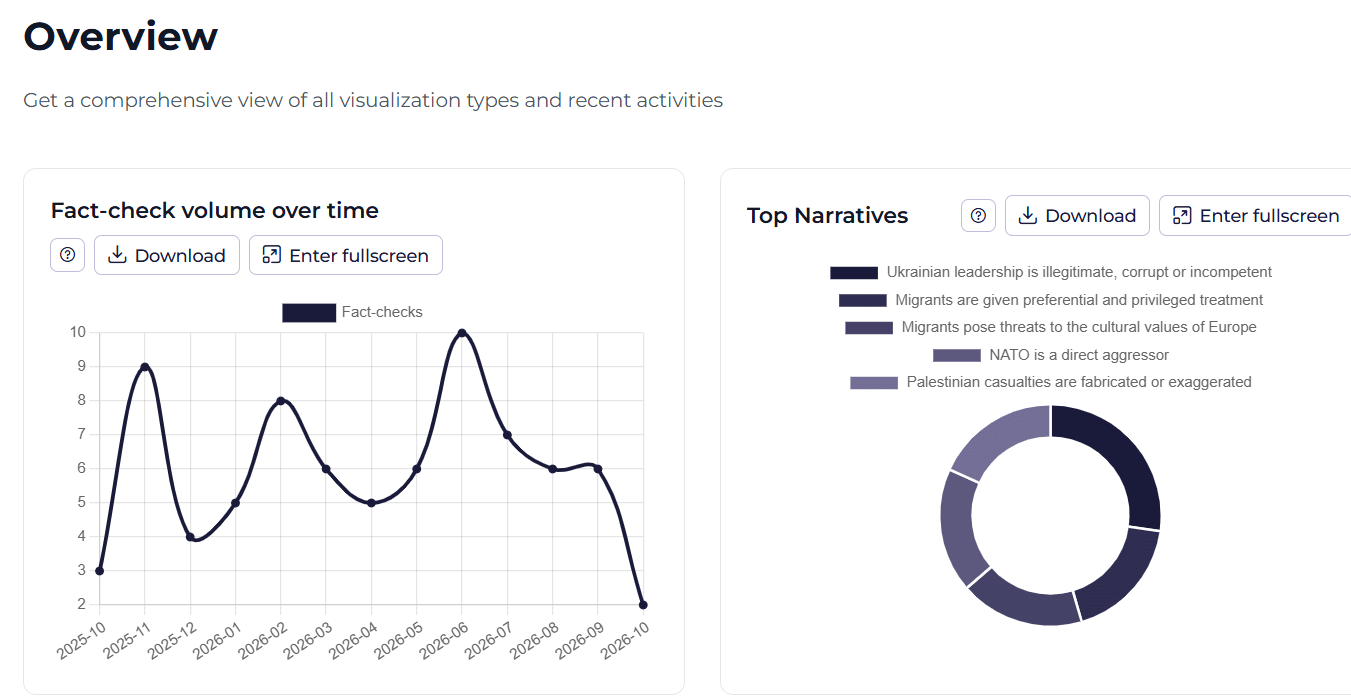
Behind the repository is an advanced data processing pipeline that automatically collects, analyses, and organises fact-checking content from the BELUX archive. Using artificial intelligence and natural language processing technologies, the system identifies key topics, narratives, entities, and relationships within fact-checking articles, transforming individual reports into structured and searchable information. This enriched data powers the repository’s interactive visualisations, filtering options, and exploration tools, allowing users to easily discover connections between investigated claims and explore the archive in a more intuitive and meaningful way.
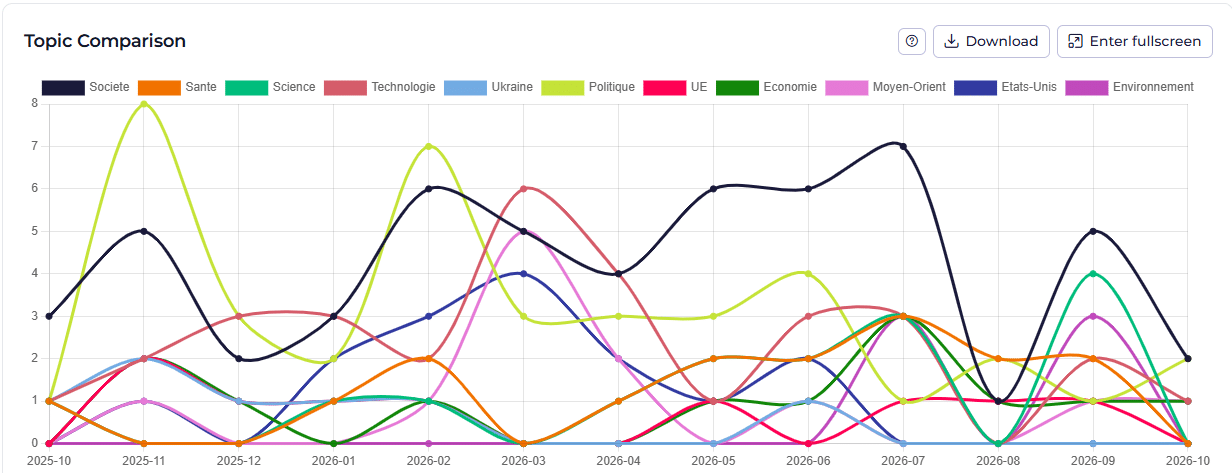
One of the key improvements is the ability to browse content through intuitive dashboards that highlight topics, narratives, and important actors appearing in fact-checking reports. These tools help transform large volumes of information into clear and understandable insights, making the repository valuable not only for experts but also for the wider public.
The upgraded repository also strengthens multilingual accessibility, allowing users to navigate content in multiple languages. This reflects the diverse linguistic landscape of the BELUX region and supports broader access to reliable information across different communities.
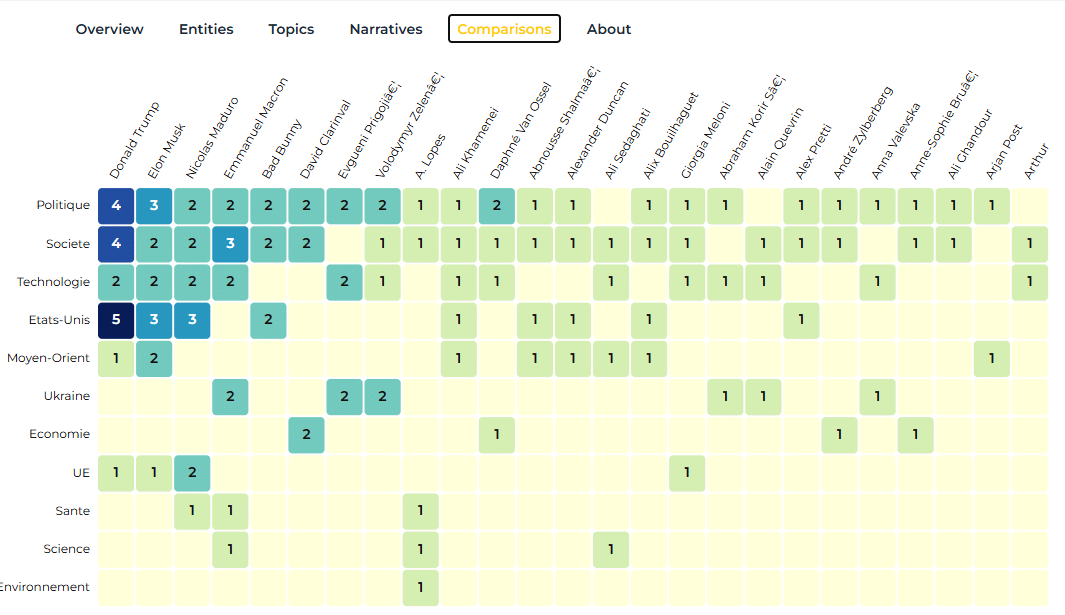
By incorporating advanced artificial intelligence technologies, the platform can automatically identify relevant information within content and organise it in meaningful ways. As a result, users can discover connections between topics, follow the evolution of narratives, and gain deeper insights into the information ecosystem without needing specialised technical knowledge.
The new repository is also designed with long-term sustainability and growth in mind. Future improvements during the course of BELUX 3.0 will further enhance analytical capabilities, and continue improving accessibility and user experience.
By making the fact-checks archive more accessible and easier to explore, the new repository empowers users to better understand the fact-checking work carried out across the BELUX region. Journalists, researchers, policymakers, and citizens can discover investigated claims, follow the evolution of specific narratives, and gain insights into the information challenges addressed by BELUX fact-checking partners.
It is worth highlighting that the repository should be viewed as a reflection of the content that has been selected and examined by BELUX fact-checking organisations, rather than as a complete picture of misinformation and disinformation trends in the region. Its value lies in providing transparent access to the fact-checkers’ archive, enabling users to explore and learn from a curated body of verified investigations and fact-checking reports.
